Source Electric Kettle Parts for Commercial, Household, and OEM Uses
Find 30 electric kettle parts including stainless steel, plastic, and aluminum components for temperature control and chassis heating. Compare specifications from Chinese manufacturers to source reliable replacements for commercial and household appliances; compare the available evidence and request quotations based on your requirements.
Key considerations
Products List




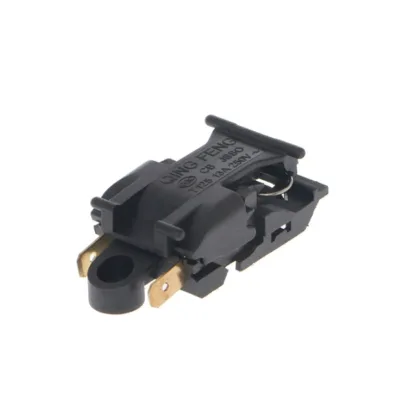

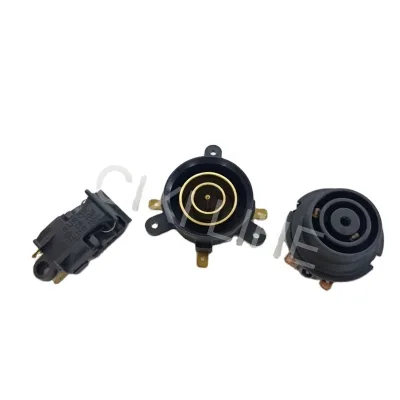


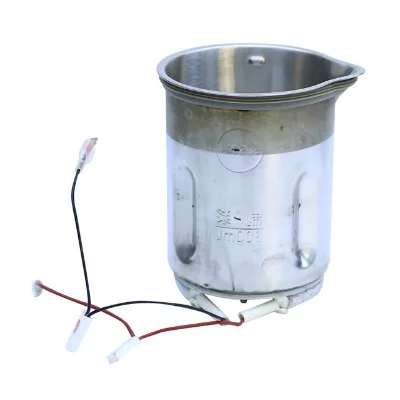


Comprehensive Sourcing Guide
Electric Kettle Parts Sourcing Guide
Sourcing electric kettle components requires distinguishing between complete units and specialized replacement parts, as the market offers both integrated appliances and modular hardware. Buyers must verify whether a listing describes a full temperature-controlled kettle or specific internal assemblies like heating chassis or rotary bases. The observed product data indicates a mix of applications ranging from commercial to household use, with some items explicitly labeled as spare parts for water heaters. This distinction is critical because a component designed for a 1.2-liter unit may not fit a 2.0-liter model, even if the voltage and power source appear compatible.
Procurement strategies should account for the diverse material compositions found in current listings, which include stainless steel, aluminum, copper, glass, and various plastics. A buyer seeking a replacement heating element must confirm the specific material standard, such as aluminum or plastic, to ensure thermal efficiency and safety. Furthermore, the presence of OEM branding suggests that many suppliers offer customizable solutions, allowing buyers to source parts that match their existing product lines without needing to rebrand the entire assembly. Understanding these material variances prevents compatibility issues during the integration phase.
Product Scope and Observed Listing Signals
The current market signals reveal a wide range of product attributes, from cordless designs with 360-degree rotational bases to units featuring automatic temperature control. Listings often specify a power source that includes electric, USB, or battery options, indicating versatility in how these parts are integrated into different appliance ecosystems. Buyers should note that while some products are marketed as electric kettles, others are categorized as electric water heater components, requiring careful scrutiny of the intended usage to avoid purchasing mismatched hardware. The observed capacity ranges from 1.2 liters to 2.0 liters, which directly influences the size and power requirements of the internal parts.
Commercial and household applications dominate the observed data, with suppliers frequently offering customization services to meet specific design needs. The availability of free samples and spare parts as after-sales services suggests a competitive environment where buyers can test component quality before committing to larger orders. However, the variation in packaging details, such as gift box sizes versus export standard cartons, implies that logistics planning must be tailored to the specific item type. Buyers must also recognize that some listings may combine multiple attributes, such as a rotary structure with chassis heating, which necessitates a detailed review of the technical specifications before finalizing a purchase.
Technical Specifications to Verify
Verifying technical specifications is paramount when sourcing electric kettle parts, particularly regarding voltage and power ratings. The observed data highlights a standard voltage of 220V and a power rating of 1200W, but buyers must confirm these figures against their local grid standards to prevent equipment failure. Additionally, the power source may vary between electric, USB, and battery options, requiring precise alignment with the target appliance's energy system. The heating method, often described as chassis heating, must be compatible with the kettle's internal geometry to ensure efficient heat transfer and user safety.
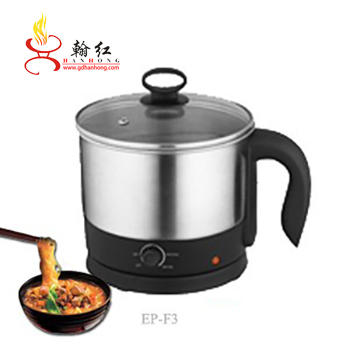
Capacity and structural design are equally critical verification points, as the market lists capacities ranging from 1.2 liters to 2.0 liters with different structural types like rotary mechanisms. Buyers should cross-reference the model numbers, such as F3, BM-1803, or BM-1815B, to ensure the parts match the specific generation of the kettle they are servicing. The material composition, whether stainless steel, aluminum, or glass, dictates the durability and thermal properties of the component. Confirming these details prevents the common pitfall of ordering parts that are physically incompatible or electrically unsuitable for the intended application.
Compliance and Safety Documentation
Compliance and safety documentation form the backbone of a reliable procurement strategy, especially for electrical components that interact with water and heat. The observed listings frequently cite certifications such as RoHS, CCC, CE, and ISOCB, which indicate adherence to specific regional and international safety standards. Buyers must verify that the provided certificates are current and applicable to the specific model and material composition of the parts being sourced. For instance, a component made of plastic must meet LFGB standards if it is intended for food contact, while electrical parts require CE or EU certification for market entry.
Beyond certifications, the warranty terms and after-sales support provided by the supplier serve as indicators of product reliability and manufacturer confidence. While some listings offer a standard one-year warranty, others claim coverage for more than five years, suggesting significant variation in product quality and durability expectations. Buyers should treat these warranty periods as a key differentiator when selecting between suppliers, ensuring that the documentation supports the claimed lifespan. Additionally, the absence of an automatic shut-off feature in some listings requires extra caution, as this safety mechanism is often critical for preventing overheating and ensuring user protection in high-volume commercial environments.
Cost Drivers and Commercial Terms
Cost drivers in the electric kettle parts market are heavily influenced by material selection, production volume, and the complexity of the component design. Stainless steel and copper components typically command higher prices due to material costs and processing requirements, whereas plastic and aluminum parts may offer more budget-friendly alternatives. The observed price range of 0.01 to 9.19 USD reflects this diversity, but buyers must look beyond the unit price to understand the total cost of ownership, including shipping and potential customization fees. The supply ability of 50,000 pieces per month indicates that suppliers can handle large orders, but the minimum order quantity (MOQ) ranges from 10 to 5,000 units, affecting the initial investment required.
Commercial terms such as packaging details and shipping logistics also play a significant role in the overall cost structure. Listings specify various packaging options, from individual gift boxes to bulk cartons, which impact the loading quantity per container and the associated freight costs. Buyers should calculate the cost per unit based on the loading quantity for 20ft, 40ft, and 40HQ containers to optimize their shipping strategy. Furthermore, the availability of free samples allows buyers to assess quality without incurring high initial costs, but the lead time and port of dispatch, such as Zhongshan or Ningbo, must be factored into the timeline and budget planning to ensure timely delivery.
Supplier Qualification and Quality Control
Supplier qualification is a critical step that goes beyond checking basic contact information, requiring a deep dive into the manufacturer's production capabilities and quality control processes. The observed data indicates that many suppliers are located in Guangdong, Zhejiang, and Ningbo, regions known for their manufacturing clusters, but buyers must verify the specific factory's capacity to meet their volume and quality requirements. The presence of OEM branding and customization services suggests that suppliers are capable of adapting their production lines, but this flexibility must be balanced with rigorous quality assurance protocols to maintain consistency.
Quality control measures should be explicitly defined in the procurement agreement, focusing on material integrity and functional performance. Buyers should request test results or inspection reports that verify the material standards, such as the specific plastic or aluminum grades used, and confirm that the components meet the stated certifications. The variation in warranty periods, from one year to over five years, serves as a proxy for the supplier's confidence in their quality control systems. Establishing a clear communication channel for after-sales support, including the provision of free spare parts, ensures that any potential issues can be resolved quickly, minimizing downtime and protecting the buyer's brand reputation.
Long-Term Procurement Checks
Long-term procurement checks involve establishing a framework for continuous monitoring of supplier performance and product consistency over time. Buyers should implement a system to track the reliability of the supplied parts, noting any deviations in material quality, electrical performance, or durability compared to the initial samples. The observed data shows a mix of product ages, with some listings dating back to 2015, which may indicate legacy designs or ongoing production of established models. Regular audits of the supplier's production line and quality control records help ensure that the parts continue to meet the required standards as production scales up or design specifications evolve.
Sustainability and supply chain resilience are also essential considerations for long-term success in this sector. Buyers should assess the supplier's ability to maintain a steady supply of raw materials, such as stainless steel or copper, and their capacity to adapt to changing regulatory environments. The availability of customization services suggests that suppliers can pivot to meet new market demands, but this requires a proactive approach to managing the relationship. By maintaining open lines of communication and setting clear expectations for performance and delivery, buyers can build a robust supply chain that supports their business growth and minimizes the risks associated with component sourcing.
FAQs
What certifications do the electric kettle parts have?
The electric kettle parts hold RoHS, CCC, CE, and ISOCB certifications. These standards ensure safety and compliance for commercial and household applications. Some listings also mention LFGB and CE/EU marks. Buyers should verify specific certification documents for their target market requirements before placing orders.
Can I get free samples for electric kettle parts?
Yes, free samples are available for electric kettle parts. This allows buyers to evaluate product quality before committing to bulk orders. The sample availability applies to various models like F3 and BM series. Buyers should contact suppliers directly to arrange sample requests and shipping details.
What is the warranty period for these electric kettle parts?
The standard warranty period is one year for most electric kettle parts. Some specific listings offer warranties lasting more than five years. This coverage typically includes free spare parts for defects. Buyers must check the specific warranty terms associated with their chosen supplier and product model.
Which materials are used in manufacturing electric kettle parts?
Electric kettle parts are manufactured using stainless steel, plastic, aluminum, copper, and glass. The choice of material depends on the specific component and model. Stainless steel is common for durability, while plastic and aluminum are used for housing. Buyers should confirm material specifications for their intended application.
How is the capacity of the electric kettle parts defined?
The capacity of the electric kettle parts ranges from 1.2 liters to 2.0 liters. Specific models like the F3 have a 1.2-liter capacity. Other listings indicate a capacity range of 1.6 to 2.0 liters. Buyers should select the capacity that matches their usage needs for commercial or household settings.
What is the minimum order quantity for electric kettle parts?
The minimum order quantity for electric kettle parts ranges from 10 to 5000 pieces. This variation depends on the specific supplier and product model. Buyers can often negotiate MOQs based on their order volume. It is advisable to confirm the exact MOQ with the supplier before finalizing the purchase.
Where are the electric kettle parts manufactured?
The electric kettle parts are manufactured in Guangdong, Zhejiang, and Ningbo, China. These locations are known for producing high-quality kitchen appliances. The specific origin depends on the supplier and the product model. Buyers should verify the place of origin to ensure it meets their sourcing preferences.